
OptiLight IPL vs. OptiPlus Radiofrequency: Which Dry Eye Treatment May Be Right for You?
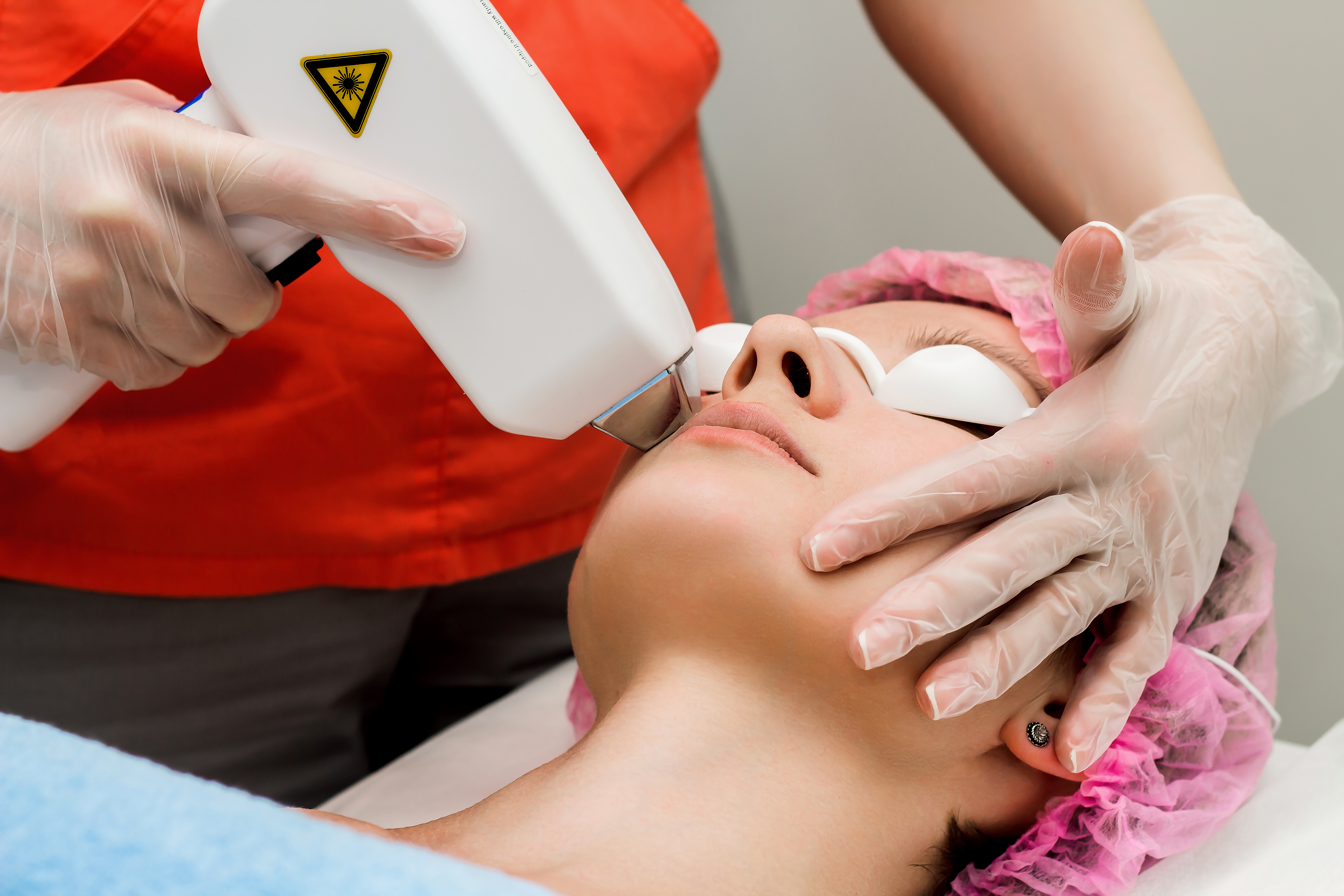
Dry, irritated eyes can make reading, computer work, and other everyday activities uncomfortable. At InSight Eye Care, we offer advanced dry eye treatment options, including OptiLight IPL and OptiPlus radiofrequency (RF). Although both can support meibomian gland function, they work differently. Understanding these options can help you discuss a personalized treatment plan with our doctors.
Why Meibomian Glands Matter
The meibomian glands along your eyelids release oils that help prevent tears from evaporating too quickly. When these glands become blocked or function poorly, you may experience burning, redness, watering, blurry vision, or a gritty sensation. This is called meibomian gland dysfunction (MGD), a common contributor to evaporative dry eye. Addressing the underlying gland problem may offer more meaningful relief than relying on lubricating drops alone.
How Does OptiLight IPL Work?
OptiLight delivers controlled pulses of light to the skin around the eyes. This treatment targets inflammatory processes associated with MGD and may improve tear film stability.
A course of treatment generally involves multiple in-office sessions. During an evaluation, we determine whether OptiLight is appropriate based on your symptoms, skin type, medical history, and eye health. Results vary, and ongoing maintenance may be needed.
How Does OptiPlus Radiofrequency Work?
OptiPlus uses dual-frequency radiofrequency energy to deliver controlled warmth to the skin around the eyes. The heat reaches different tissue depths and is designed to increase local circulation and support meibomian gland function. Unlike IPL, OptiPlus relies on thermal energy rather than pulses of light.
OptiPlus is FDA-cleared for uses including topical heating and increasing local circulation. Its role in dry eye care is complementary, and our doctors can explain how it may fit into your treatment plan.
Which Dry Eye Treatment May Be Right for You?
Neither option is automatically the better choice. During your dry eye evaluation, we consider several factors:
· Your symptoms, including irritation, excessive watering, and changes in vision.
· The condition of your meibomian glands and the quality of your tear film.
· Your skin type, medications, and medical history, which may affect treatment suitability.
· How your eyes have responded to warm compresses, artificial tears, prescription drops, or prior procedures.
Can OptiLight and OptiPlus Be Used Together?
In some cases, IPL and RF may complement one another. OptiLight helps address inflammation associated with MGD, while OptiPlus provides controlled heat that may support oil-gland function. Combining them is not necessary for everyone, and relief cannot be guaranteed.
Depending on our findings, we may also discuss gland expression, MiBo ThermoFlo, eyelid hygiene, or other dry eye treatments. Our goal is to tailor care to the factors affecting your tear film rather than use the same approach for every patient.
Schedule a dry eye evaluation with InSight Eye Care in Oshkosh, WI at (920) 235-5530, Appleton, WI at (920) 733-3629, or Kimberly, WI at (920) 733-0919 to find out which treatment may be right for you.



At InSight Eye Care , we provide the highest quality eye care to all our patients. We are dedicated to helping you improve and maintain your vision in a comfortable environment. When you visit our office, your vision is our top priority.
InSight Eye Care
© 2026 InSight Eye Care . All Rights Reserved. Accessibility Statement - Privacy Policy - Sitemap

